

Looking to register your car in California? It’s a straightforward process, but understanding the steps is key. This guide walks you through everything from vin verification, the crucial first step ensuring your vehicle’s authenticity, to gathering essential documents and choosing the right registration class. We’ll also cover application submission, payment of fees, and post-registration maintenance tips. By following these steps, you’ll have your California vehicle registered in no time.
- Understanding VIN Verification: The First Step in Car Registration
- Gathering Necessary Documents for California Car Registration
- Choosing an Appropriate Vehicle Registration Class
- Submitting Your Application and Paying Fees
- Post-Registration: Maintaining Your California Vehicle Records
Understanding VIN Verification: The First Step in Car Registration

Understanding VIN Verification: The First Step in Car Registration
Before registering your car in California, one crucial step is completing a Vehicle Identification Number (VIN) verification process. This involves checking the accuracy and authenticity of your vehicle’s unique 17-character VIN code. A mobile vin verifier or mobile vin inspection service plays a key role here, as it ensures that your car matches the manufacturer’s records. By cross-referencing the VIN with official databases, these services verify the car’s history, including any previous ownership, accidents, or outstanding issues.
This initial step is vital to prevent fraud and ensure a seamless registration process. A valid and accurate VIN verification is required by California’s Department of Motor Vehicles (DMV) during vehicle registration. It helps establish that you’re purchasing or owning a genuine car, preventing the possibility of registering a stolen vehicle or a clone.
Gathering Necessary Documents for California Car Registration

Before you begin the registration process, it’s crucial to gather all the essential documents required by the California Department of Motor Vehicles (DMV). One critical step is to ensure accurate vin verification. This involves obtaining a valid Vehicle Identification Number (VIN) report, which can be facilitated by using a reliable mobile vin verifier or undergoing a vin inspection.
The VIN report should include information such as the vehicle’s make, model, year, and specific features. Additionally, you’ll need to provide proof of identity, such as a driver’s license or passport, and proof of insurance for your vehicle. Other necessary documents may include registration papers from a previous state (if applicable), title documents, and any required emissions test results.
Choosing an Appropriate Vehicle Registration Class
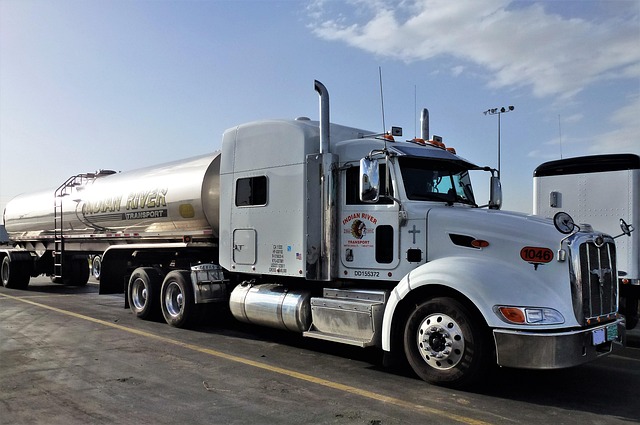
When registering your car in California, understanding your vehicle’s classification is crucial. The state categorizes vehicles into different classes based on their type, size, and use. This system ensures fair pricing for registration fees. One key aspect to consider is undergoing a VIN (Vehicle Identification Number) verification process. Using a mobile vin verifier or conducting a vin inspection can help ensure that your vehicle’s information matches the records, which is essential for accurate classification.
A mobile vin inspection service can provide on-site verification, making it convenient during the registration process. This step is vital as incorrect classification may lead to penalties or higher fees. Properly identifying your vehicle ensures you pay the appropriate registration costs tailored to your specific class, making the car registration process in California more efficient and transparent.
Submitting Your Application and Paying Fees

After completing your vehicle’s registration form, it’s time to submit your application and fees. This process involves a few key steps. First, ensure your vehicle passes the necessary inspections, including a VIN verification check. This step is crucial as it confirms the vehicle’s identity and ensures compliance with California’s regulations. You can facilitate this process with a mobile VIN verifier, which provides convenient on-site inspections.
Once your vehicle is approved, you’ll need to pay the associated fees. These include registration costs, emissions testing (if applicable), and any additional taxes or surcharges. Properly managing these payments ensures your vehicle remains legally registered and operational on California’s roads.
Post-Registration: Maintaining Your California Vehicle Records

After successfully registering your vehicle in California, maintaining accurate records is crucial to avoid any legal issues. One vital step is regularly updating your vehicle’s information, including ownership changes and any modifications made to the car. The California Department of Motor Vehicles (DMV) offers a convenient online portal for this purpose. You can easily access and update your vehicle’s details, ensuring that your registration and associated documents remain current.
Additionally, proper record-keeping involves verifying the Vehicle Identification Number (VIN). This process is made simpler with mobile VIN inspection services, allowing you to check the VIN accuracy from the comfort of your home or garage. Mobile VIN verifiers play a significant role in maintaining an up-to-date vehicle history report, which can be invaluable when selling or trading-in your car in the future.
Registering a car in California involves several straightforward steps, beginning with understanding VIN verification and ending with maintaining your vehicle records. By gathering the necessary documents, choosing the right registration class, and submitting your application along with the required fees, you’ll be well on your way to legal driving. Remember, proper documentation and timely renewal are key to avoiding penalties and ensuring your California vehicle remains compliant.