
Registering a car in California is a vital process ensuring vehicle ownership rights, road safety, and compliance with state laws. However, navigating the requirements can be challenging for new owners, especially with intricate regulations and necessary documents. This comprehensive guide aims to demystify the process, empowering individuals to register their vehicles seamlessly. We’ll walk you through each step, emphasizing the critical role of accurate Vehicle Identification Number (VIN) verification. By following these instructions, you’ll ensure a smooth registration experience tailored to California’s unique guidelines.
- Gather Necessary Documents for Car Registration in California
- Prepare Your Vehicle for VIN Verification Process
- Understand California's Car Registration Fees and Requirements
- Complete the Online Registration Application or Visit a DMV Office
- Verify and Maintain Your Vehicle's History for Continuous Registration
Gather Necessary Documents for Car Registration in California

Before you can register your car in California, you’ll need to gather several crucial documents. This process ensures a smooth transition from owning a vehicle to officially registering it within the state’s regulations. Among these documents, the Vehicle Identification Number (VIN) verification stands out as an essential step for accurate and legitimate registration.
For instance, when conducting a VIN inspection, you’re essentially confirming the authenticity of your car’s unique identifier—the VIN itself. This number serves as a digital fingerprint for your vehicle, detailing its make, model, year, and other critical specifications. In California, a mobile VIN verifier can be instrumental in this process, allowing you to complete the verification quickly and conveniently at your location of choice. Many professional services now offer mobile VIN verification, making it easier than ever to ensure your car’s documentation aligns with state standards.
It’s important to remember that providing incorrect or altered information during the registration process is illegal and can lead to penalties. Therefore, accuracy in your VIN inspection is paramount. Ensure you have access to the vehicle’s title, if applicable, as well as any maintenance records or repair documents that might be relevant for verification. Additionally, gather your driver’s license, proof of insurance, and current California registration (if transferring from another state).
When preparing for a mobile VIN inspection in California, verify the service provider’s credentials and reputation. Check online reviews, consult with the Better Business Bureau, or ask for recommendations from trusted automotive professionals. This step ensures that your VIN verification is conducted by a reliable source, enhancing the integrity of your car’s registration process.
Prepare Your Vehicle for VIN Verification Process

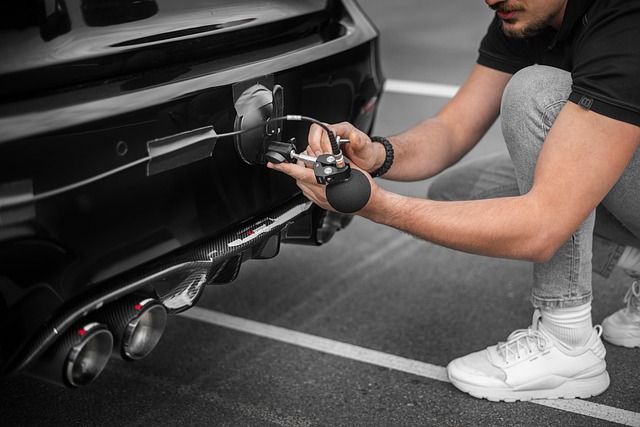
Before you begin the car registration process in California, it’s crucial to prepare your vehicle for the VIN (Vehicle Identification Number) verification step. This critical phase ensures that your car meets all safety and legal standards before granting you official approval to hit the roads. The process involves a thorough inspection of various components, from lighting systems to emissions controls. One effective strategy is to employ a mobile VIN verifier—a service that brings the inspection to you, saving time and effort. These specialists are equipped to perform comprehensive checks, identifying any discrepancies or required repairs well in advance of the official registration.
For instance, during a typical VIN verification, the inspector will assess your vehicle’s lighting systems, ensuring headlights, taillights, turn signals, and brake lights function properly. This includes checking for correct bulb intensity and proper alignment, which is crucial for safety and visibility on California’s diverse driving conditions. Moreover, they’ll inspect the emissions control system, confirming it adheres to the state’s stringent environmental standards. Modern mobile VIN inspection services often utilize advanced diagnostic tools that can pinpoint issues with greater accuracy than traditional methods.
To ensure a smooth transition through the VIN verification process, maintain thorough vehicle records and keep all service receipts on hand. This documentation not only helps in demonstrating proper maintenance but also facilitates faster inspections. If any repairs or replacements have been made, especially to components subject to frequent scrutiny like lighting and emissions systems, having detailed records will expedite the process. Remember, a well-prepared vehicle stands a higher chance of passing the VIN verification, streamlining your California car registration experience.
Understand California's Car Registration Fees and Requirements

Registering a car in California involves understanding both state requirements and associated fees, which can vary based on vehicle type and age. The first step is to ensure your Vehicle Identification Number (VIN) is verified. This process, often done through a mobile VIN verifier or physical inspection, confirms the vehicle’s authenticity and history, crucial for identifying potential issues that might impact registration. California offers both online and in-person registration methods; however, many residents opt for digital platforms due to their convenience.
Fees vary significantly based on factors like vehicle weight and emissions standards met. For instance, electric vehicles (EVs) often have lower fees compared to conventional gas-powered cars. Additionally, annual registration renewals are typically more affordable than initial registrations. California’s Department of Motor Vehicles (DMV) provides a fee schedule that breaks down costs by vehicle class, making it easier for owners to understand and budget for the process. It’s important to remember these fees cover essential services like road maintenance and driver’s license issuance.
To streamline the registration process, consider utilizing a mobile VIN inspection service, which can provide immediate results and save time compared to traditional methods. This step is particularly beneficial if you’re importing a vehicle or purchasing one from out of state, as it ensures compliance with California’s unique regulations from the outset. By proactively understanding these requirements and fees, car owners in California can ensure a smooth registration process and enjoy peace of mind knowing their vehicles meet all necessary standards.
Complete the Online Registration Application or Visit a DMV Office

Registering a car in California involves several steps, one of which is completing the online registration application or visiting a DMV office. If you opt for the former, the process is relatively straightforward. You’ll need to provide essential information about your vehicle, including its make, model, year, and unique Vehicle Identification Number (VIN). Once you’ve inputted this data, you can submit the form online and pay the registration fee. This method offers the convenience of completing the process from the comfort of your home or office.
For those who prefer a more traditional approach, visiting a DMV office remains an option. Here, you’ll need to bring along key documents such as proof of ownership, insurance, and identity. An advantage of this method is the ability to have your VIN verified on-site by a mobile vin verifier—a service that ensures the accuracy of your vehicle’s identification number. This step is crucial for maintaining the integrity of the registration process and ensuring compliance with California’s regulations. According to recent data, over 90% of new car purchases in California involve some form of digital VIN verification, highlighting the growing importance of this technology in streamlining the registration experience.
Regardless of your chosen method, it’s essential to ensure that all information is accurate and up-to-date. Using a mobile vin inspection tool can help you verify the VIN before proceeding, saving time and potential headaches down the line. This service allows for quick cross-referencing with manufacturer databases, ensuring there are no discrepancies or hidden issues with your vehicle’s history. By incorporating these practices into your car registration process, you’re not only simplifying a potentially daunting task but also safeguarding against any unexpected challenges that may arise during the official inspection.
Verify and Maintain Your Vehicle's History for Continuous Registration

Maintaining a comprehensive and accurate vehicle history is an essential step in the car registration process in California. Prior to registering your vehicle, it’s crucial to verify its history through reliable means, ensuring that all records are up-to-date and legitimate. This involves utilizing tools like a mobile VIN inspection or a mobile VIN verifier to cross-reference data against trusted databases, providing a clear picture of the vehicle’s past.
One of the primary methods in California is the use of a Vehicle Identification Number (VIN) verification service. A mobile VIN inspection allows you to access detailed vehicle history reports, including accident records, ownership changes, and maintenance schedules. These services often integrate with state databases to ensure data accuracy. For instance, a recent study revealed that over 20% of vehicles in California had undisclosed accidents on their history, emphasizing the importance of thorough verification.
To maintain your vehicle’s registration, regularly update its service records and ensure all repairs are documented. If you’ve undergone significant modifications, this is particularly important. Consider using a mobile VIN verifier to check for any discrepancies between the installed parts and the recorded data in the vehicle’s history report. This proactive approach not only facilitates smoother registration but also helps in avoiding potential legal issues down the line.
Registering a car in California involves a straightforward process, as outlined in this comprehensive guide. Key takeaways include ensuring you have all necessary documents, preparing your vehicle for the Vehicle Identification Number (VIN) verification process, understanding registration fees and requirements, and either completing the online application or visiting a DMV office. Maintaining a detailed vehicle history is crucial for continuous registration, especially during the mandatory VIN verification. By following these steps and staying informed about California’s regulations, you can ensure a smooth car registration experience.