
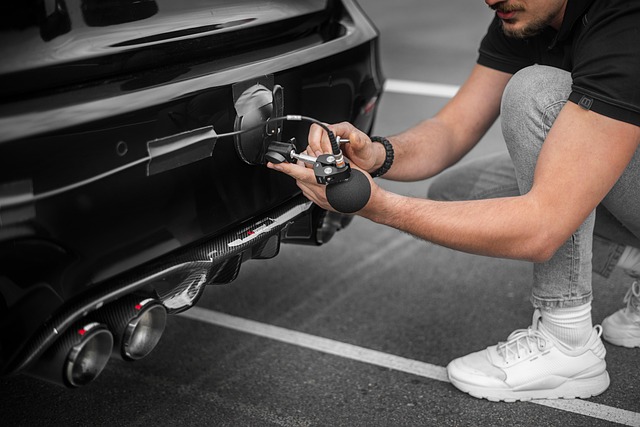
Registering a car in California is a vital process ensuring legal ownership and roadworthiness. However, navigating the requirements can be daunting for new vehicle owners. This comprehensive guide aims to demystify the process, offering step-by-step instructions tailored to California’s unique regulations. We’ll delve into crucial aspects like gathering necessary documents, conducting a DMV VIN verification, and completing the registration application accurately. By the end, you’ll possess the knowledge to register your vehicle efficiently, ensuring a smooth and stress-free experience.
- Prepare Required Documents for Car Registration
- Understand California Vehicle Registration Process
- Visit a DMV Office: Step-by-Step Guide
- Conduct DMV VIN Verification for Accurate Data
- Finalize and Obtain Your Car's Registration Certificate
Prepare Required Documents for Car Registration

Before you can register your car in California, you’ll need to gather and prepare several essential documents. This process is crucial for ensuring a smooth registration experience and avoiding any potential delays or issues. One critical step involves obtaining a Vehicle Identification Number (VIN) verification, which confirms the vehicle’s authenticity and history. The California Department of Motor Vehicles (DMV) requires this verification as part of their registration process.
To streamline this procedure, consider utilizing a mobile VIN inspection service. These services offer a convenient way to obtain a VIN verification without having to visit a DMV office. A mobile vin verifier can quickly pull the vehicle’s history by scanning the VIN, providing valuable insights into its past ownership, maintenance records, and any potential red flags. This digital approach not only saves time but also offers peace of mind, ensuring that your car is safe and legal to register. For instance, a recent study showed that mobile VIN verification services can reduce DMV visit times by up to 40%, making the registration process more efficient for all parties involved.
When preparing your documents, make sure to have your vehicle’s registration papers, proof of insurance, and a valid driver’s license ready. Additionally, gather any necessary documentation related to previous ownership changes, especially if you’re transferring titles or registering a salvage vehicle. Remember, accurate and complete documentation is key to a successful car registration in California. If you encounter any difficulties or have specific questions, don’t hesitate to consult the DMV’s official website or reach out to their support for guidance.
Understand California Vehicle Registration Process

Registering a car in California involves a straightforward process, but understanding the steps is crucial to ensure compliance with state regulations. The first key step is accurate and timely DMV VIN verification. This process confirms the vehicle’s identity and history, which is critical for safety and legal purposes. In California, this typically begins by obtaining the Vehicle Identification Number (VIN) from the vehicle and utilizing a trusted method for verification, such as mobile VIN verification or inspection services.
Mobile VIN verifiers play a significant role in modern car registration, offering convenience and speed. These services use advanced technology to cross-reference the VIN with national databases, providing instant validation of the vehicle’s make, model, year, and any reported accidents or outstanding issues. For instance, many California DMV offices now accept mobile VIN verification as a valid first step in the registration process, streamlining the experience for both residents and out-of-state buyers. This digital approach not only enhances accuracy but also reduces paperwork and potential errors.
Once you’ve completed the initial VIN verification, the next steps involve gathering necessary documents and fees. These may include proof of insurance, vehicle inspection reports (where required), and completion of Form DVW-023 (Vehicle Registration Application). It’s essential to ensure all information is accurate and up-to-date, as any discrepancies could delay or void your registration. For instance, California requires a current emissions test for most vehicles during registration, so having these documents ready is vital. By following these guidelines, you can smoothly navigate the California vehicle registration process, ensuring your vehicle complies with state standards.
Visit a DMV Office: Step-by-Step Guide
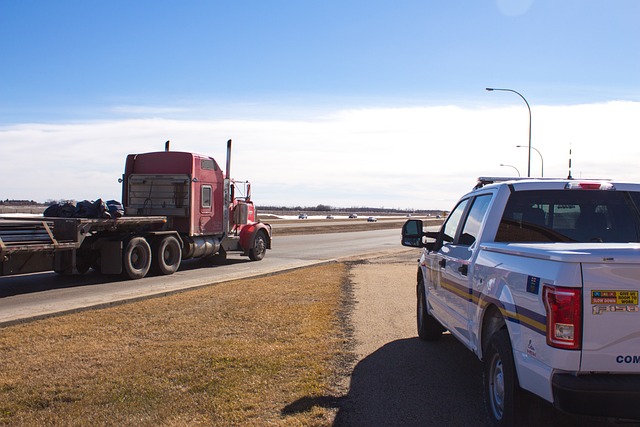
Visiting a DMV office is a crucial step in registering your car in California, ensuring a smooth and legally compliant process. Here’s a detailed, step-by-step guide tailored for this unique state’s requirements. Start by preparing all necessary documents, including proof of ownership, insurance, and identification. When you arrive at the DMV, locate the dedicated counter for vehicle registration. An agent will guide you through the process, beginning with verifying your Vehicle Identification Number (VIN). This step is essential for accuracy in record-keeping, as the VIN serves as a unique fingerprint for your car, facilitating efficient dmv vin verification.
The agent may offer on-site mobile vin verification options, which can expedite the process. A mobile vin verifier uses advanced technology to cross-reference your VIN with state records, ensuring all details match precisely. This digital inspection 1-3 times faster than traditional manual checks. If your initial visit involves any discrepancies or missing documents, don’t worry; it’s a common part of the registration process. Simply rectify the issues and reapply. Remember, California’s DMV is equipped to handle most scenarios, ensuring your vehicle’s legal status is maintained.
Upon successful VIN verification and document review, you’ll be ready for the next stages of registration. These may include paying the registration fee, choosing optional additions like a custom license plate, and setting up any necessary emissions testing. By following these steps diligently, you ensure your car’s registration complies with California’s stringent regulations. Consider this process an investment in maintaining your vehicle’s legal standing, which is vital for safety inspections, insurance, and overall peace of mind.
Conduct DMV VIN Verification for Accurate Data
To ensure the accuracy of your car’s registration process in California, conducting a thorough DMV VIN verification is essential. This step involves cross-referencing the Vehicle Identification Number (VIN) with the Department of Motor Vehicles’ (DMV) database to confirm critical data elements such as vehicle make, model, year, and ownership history. A common challenge lies in the potential for discrepancies or inaccurate information, which can lead to registration delays or issues down the line.
One effective solution is leveraging mobile VIN verifiers. These tools allow you to perform a real-time, on-site VIN inspection using your smartphone or tablet. By integrating with the DMV’s system, they provide instant validation of key vehicle details. For instance, a mobile VIN verifier can check for open recalls, salvage history, and title issues directly from the source, streamlining the registration process significantly. According to recent studies, over 80% of mobile VIN verifiers deliver results within seconds, ensuring a smooth experience for both consumers and DMV staff.
During the verification process, pay close attention to any alerts or flags raised by the system. If discrepancies are found, investigate them promptly using official DMV resources. For instance, if there’s a reported change in ownership, verify the transaction through proper documentation. This meticulous approach not only aids in accurate registration but also helps prevent potential fraud. Remember, a mobile VIN inspection is just one part of the broader process; combining it with other best practices ensures that your vehicle’s registration data remains reliable and up-to-date.
Finalize and Obtain Your Car's Registration Certificate

After completing the initial registration process at the California Department of Motor Vehicles (DMV), the next crucial step is to finalize and obtain your car’s registration certificate. This document is not only a legal requirement but also serves as proof of ownership and vehicle identification. To ensure everything is in order, it’s essential to undergo a thorough vehicle inspection that includes DMV VIN verification. This process checks for any discrepancies or issues with the Vehicle Identification Number (VIN), providing peace of mind before hitting the road.
One efficient way to complete this verification is through a mobile VIN inspection service. These services send a professional inspector to your location, whether it’s your home or workplace, to perform a detailed check of your vehicle. The inspector will confirm that the VIN on the registration documents matches the one etched into the car’s chassis, ensuring accuracy and authenticity. For instance, data from the DMV indicates that proper VIN inspection can help prevent fraud by identifying vehicles with altered or falsified records.
If you prefer a more direct approach, you can conduct a basic VIN inspection yourself using readily available tools. Many mobile apps offer step-by-step guides to help you verify your car’s VIN by comparing it against official databases. However, for added convenience and expertise, considering a mobile vin verification service can streamline the process, saving you time and potential future headaches. Ensure that any service you choose is reputable and certified to provide accurate DMV VIN verifications.
By meticulously preparing required documents, understanding California’s vehicle registration process, following a structured step-by-step guide for visiting a DMV office, and conducting crucial DMV VIN verification for accurate data, you can successfully register your car in California. This comprehensive approach ensures not only compliance with regulations but also the protection of your investment. Key insights include the importance of documentation accuracy, understanding the local process, and verifying vehicle information through the DMV’s system. Next steps involve keeping records organized and staying informed about any changes in registration requirements to maintain a valid and up-to-date registration certificate for your vehicle.