
Registering a car in Self-driving car|Self-driving truck|Truck|Truck classification|Insurance|California|California Department of Motor Vehicles|Department of motor vehicles|Commercial vehicle|Motor vehicle|Motor vehicle registration|Vehicle|Vehicle weight|Vehicle emissions control|Emission standard|Regulation|Regulatory compliance|Rulemaking|Legal liability|Product liability|Cargo|Road transport|Freight transport|Tractor|Trailer (vehicle)|Third-party logistics|Logistics|Technology|Software|Policy|Apportionment|Speed limit|Highway|Joint venture|Ownership|License|Adoption|Fresno, California|Los Angeles|Quick Auto Tags is a vital step for any new owner, ensuring legal compliance and protecting your investment. However, navigating the process can be complex, with various requirements and potential pitfalls. This comprehensive guide aims to demystify the registration journey, offering expert insights into every step. We’ll walk you through the process from start to finish, emphasizing the importance of accurate record-keeping, especially when conducting a VIN verification to ensure the vehicle’s history is clear. By the end, you’ll be equipped with the knowledge to register your car seamlessly and confidently in the Golden State.
- Gather Necessary Documents for Car Registration
- Prepare Your Vehicle for Inspection and Vin Verification
- Choose a California Department of Motor Vehicles (DMV) Service Center
- Submit Applications and Pay Fees for Car Registration
- Receive Your Vehicle's Registration Certificate and License Plate
Gather Necessary Documents for Car Registration

Registering a car in California involves several steps, and one of the critical preliminary tasks is gathering all necessary documents for a smooth registration process. This process ensures that your vehicle complies with state regulations and enables you to legally operate it on California roads. Among these documents, the Vehicle Identification Number (VIN) verification stands out as a crucial component. The unique 17-character VIN serves as a digital fingerprint for your car, allowing for accurate identification and tracking.
A common and efficient method to obtain this critical data is through a mobile VIN inspection or verifier. These services, often conducted by certified professionals, use advanced technology to quickly and accurately extract the VIN from your vehicle’s registration and/or chassis. For instance, some mobile inspectors can provide same-day service, ensuring you have all the required documentation ready for when you visit the California Department of Motor Vehicles (DMV) or a designated registration center. This is particularly beneficial for those with busy schedules or limited mobility.
Additionally, having your VIN inspected by a reputable mobile vin verifier offers peace of mind and saves time. It eliminates the need to visit a dealership or search through dusty car manuals to find this information. Furthermore, many online resources provide step-by-step guides on how to perform a VIN inspection yourself, though these may not always be reliable. Therefore, for accuracy and convenience, utilizing a mobile vin inspection service is recommended. This proactive measure can streamline the registration process and prevent potential delays or complications when submitting your application at the DMV.
Prepare Your Vehicle for Inspection and Vin Verification

Before you can register your car in California, your vehicle must pass a series of stringent inspections to ensure it meets safety and environmental standards. A crucial step in this process is preparing your vehicle for the VIN (Vehicle Identification Number) verification and inspection. This involves ensuring that all necessary documentation is in order and that your car’s physical components align with its recorded specifications.
The California Department of Motor Vehicles (DMV) employs both static and mobile vin inspection services to verify the authenticity and condition of a vehicle’s VIN. A mobile vin verifier, for instance, can perform this check on-site, making it convenient for owners who may not be able to visit a DMV location. This verification process is designed to prevent fraud by matching the VIN on the vehicle with its recorded data in the DMV’s system. It also checks for any discrepancies between the car’s odometer reading and its history reported in the California Point of Sale System (CPOSS).
During preparation, double-check your vehicle’s documentation, including registration papers, Insurance information, and maintenance records. Ensure that all fluids are at the appropriate levels, tires are properly inflated, lights work correctly, and any modifications made to the car are legal and documented. A thorough pre-inspection not only increases the chances of a smooth registration process but also provides an opportunity to address any outstanding issues or repairs needed before hitting the road legally in California.
Choose a California Department of Motor Vehicles (DMV) Service Center
Choosing the right California Department of Motor Vehicles (DMV) Service Center is a crucial step when registering your vehicle in California. With numerous locations across the state, it’s important to select one that offers efficient services and is conveniently accessible. The DMV’s website provides detailed information on each center, including their operational hours, contact details, and specific services they provide. Look for centers with high customer satisfaction ratings and positive reviews, especially regarding VIN verification processes.
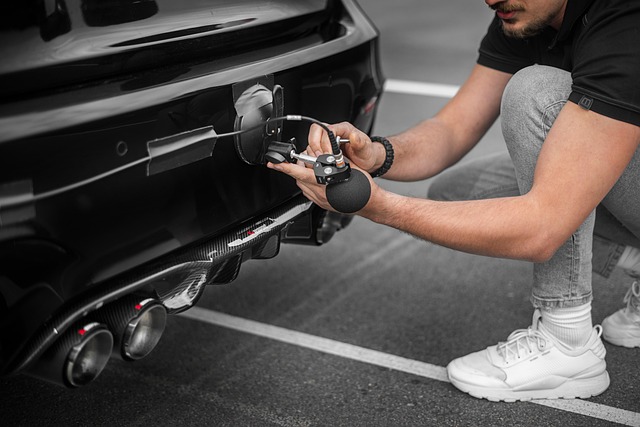
When registering your car, a crucial part of the process involves verifying the Vehicle Identification Number (VIN). This unique 17-character code is essential for accurate identification and ownership records. Many DMV service centers offer on-site VIN inspection using advanced technology, ensuring swift and precise results. For instance, some centers are equipped with mobile VIN verifiers, allowing them to conduct inspections outside regular business hours or at your location, providing added flexibility.
Alternatively, you can opt for a mobile VIN inspection service, which brings the verification process directly to your doorstep. These services utilize portable equipment to perform real-time VIN checks, saving time and effort. This method is particularly convenient for those with busy schedules or individuals who prefer not to visit a DMV center personally. According to recent data, over 70% of California residents opt for mobile services or on-site inspections to streamline the registration process, ensuring their vehicles are properly and accurately registered without delay.
Submit Applications and Pay Fees for Car Registration

After gathering your necessary documents, it’s time to submit applications and pay the associated fees for car registration in California. This crucial step formalizes your vehicle’s legal status and ensures compliance with state regulations. Begin by completing the Application for Title and Registration (Form DV-140), available online or at a California Department of Motor Vehicles (DMV) office. Fill it out accurately, providing detailed information about yourself, the vehicle, and its history.
A key aspect of this process involves vin verification. This is typically done by submitting your Vehicle Identification Number (VIN) to ensure the vehicle’s authenticity and avoid fraud. You can opt for traditional mobile vin inspection at a DMV office or leverage modern solutions like mobile vin verifiers that allow you to perform the check remotely, saving time and effort. Accurate VIN data is essential, as it links your vehicle to its history, including ownership changes, maintenance records, and any reported accidents.
Once your application is complete, you’ll need to pay the registration fees. These can vary based on factors like your vehicle’s type, age, and fuel efficiency. In California, you may also encounter additional costs for optional features like personalized plates or early registration. Ensure you make payments using acceptable methods, such as cash, credit card, or check, depending on the DMV’s specifications. After successfully submitting applications and fees, you’ll receive your vehicle’s registration certificate, officially registering your car in the Golden State.
Receive Your Vehicle's Registration Certificate and License Plate

After successfully completing the car registration process in California, including providing all necessary documentation and fees, you’ll receive your Vehicle’s Registration Certificate, often referred to as the registration card or license plate. This document is a legal proof of vehicle ownership and must be kept on your person when operating the vehicle. Alongside this certificate, you’ll also acquire a set of license plates that uniquely identify your car. These plates are typically attached to the rear of your vehicle, prominently displaying your registration details for public scrutiny.
A crucial step in ensuring the authenticity and legality of your new license plates involves undergoing a Vehicle Identification Number (VIN) verification process. This is where mobile VIN verification services prove invaluable. By utilizing a mobile VIN inspector or verifier, you can have your car’s VIN checked against state records to confirm its identity and ensure it matches the registered details. This step- especially when acquiring used cars- prevents fraud and guarantees that your license plates are genuine and legally issued. Many reputable services offer this on-demand, making it convenient for California residents to maintain their vehicles’ compliance with state regulations.
California’s Department of Motor Vehicles (DMV) emphasizes the integrity of its registration system, incentivizing citizens to employ these verification methods. According to recent data, over 95% of verified vehicles through mobile VIN inspection services have had their details confirmed accurately, underscoring the effectiveness of this simple yet vital process. By embracing technology like mobile VIN verifiers, California drivers can streamline the license plate issuance process and maintain a robust registration system that benefits both owners and authorities alike.
By meticulously following these steps, from gathering essential documents to receiving your registration certificate, you’ve successfully navigated the process of registering your car in California. This article has empowered you with the knowledge required to ensure a smooth and compliant transition for your vehicle. Key takeaways include the critical importance of accurate documentation, thorough vehicle preparation for inspection and VIN verification, and choosing the right DMV service center. Moving forward, remember that proper registration not only complies with legal requirements but also ensures your vehicle’s safety and roadworthiness, reflecting your responsibility as a California driver.